How this article was sourced
This article was built from public-health sources first, then edited into a neutral summary. It avoids supplement-first claims and does not claim to cure inflammatory disease.
Inflammation is a biological process with many causes. Lifestyle changes can reduce avoidable load and risk factors, but symptoms and lab markers need individualized medical interpretation.
Who this is for
Good fit
- Adults who want a safe lifestyle starting point before chasing supplements.
- People with high inflammatory load from sleep debt, inactivity, smoking, excess alcohol, or a highly processed diet.
- Users who want official-source guidance they can discuss with a clinician.
Not enough by itself
- People with urgent symptoms, unexplained weight loss, severe pain, chest pain, fever, blood in stool, or rapid swelling.
- People trying to replace medication for autoimmune, inflammatory bowel, cardiovascular, metabolic, or other diagnosed disease.
- Pregnant people, people with eating disorders, or anyone with complex medical restrictions without professional guidance.
Source matrix
| Pillar | What the source says | Reported practical context | Source |
|---|---|---|---|
| Food pattern | Nutrient-dense foods, whole grains, vegetables, fruits, protein foods, dairy or fortified alternatives, and healthy fats. | Add one high-fiber plant food to two meals per day before removing everything you enjoy. | Dietary Guidelines for Americans, 2025-2030 |
| Movement | 150 to 300 minutes of moderate aerobic activity weekly plus muscle-strengthening activity on 2 days. | Start with 10 minutes after meals or a 20-minute brisk walk 3 times this week. | Physical Activity Guidelines for Americans: Questions and Answers |
| Sleep | Adults generally need at least 7 hours of sleep, with consistent timing and a sleep-supportive room. | Set one repeatable wake time and remove caffeine after lunch for 7 days. | About Sleep |
| Smoking | Quit smoking and avoid tobacco exposure. | Choose a quit date and use professional support, counseling, quitlines, or medication when appropriate. | Benefits of Quitting Smoking |
| Alcohol | Drink less, or choose not to drink. | Count weekly drinks, add alcohol-free days, and avoid alcohol before sleep. | Alcohol Use and Your Health |
| Stress | Reduce long-term stress load through sleep, movement, healthy eating, less alcohol, no tobacco, connection, and care. | Schedule one daily decompression block: walk, breathing, journaling, or a short call with someone supportive. | Managing Stress |
What chronic inflammation means
Inflammation is not automatically bad. Acute inflammation helps the body respond to injury and infection. The problem is chronic, repeated inflammatory pressure that stays elevated and overlaps with risk factors such as poor sleep, inactivity, smoking, excess alcohol, unmanaged stress, low diet quality, obesity, or untreated disease.
For a public health article, the safest wording is "reduce chronic inflammation load" or "support lower inflammatory pressure." Avoid promising that one food, detox, supplement, or routine will remove inflammation from the body.
1. Build meals from an official nutrition pattern
The Dietary Guidelines for Americans, 2025-2030, point toward a nutrient-dense pattern: vegetables, fruits, whole grains, protein foods, dairy or fortified alternatives, and healthy fats. For inflammation, the practical translation is a plate with more fiber, more micronutrients, enough protein, and fewer highly processed defaults.
Do not turn this into a fear-based list. A better first step is additive: one fruit or vegetable at breakfast, beans or lentils several times per week, whole grains instead of refined grains when possible, and protein at each meal. Then reduce the foods most likely to crowd out nutrients: highly processed snacks, sugary drinks, excess sodium, refined carbohydrates, and unhealthy fats.
DASH is a useful official model because NHLBI presents it as a flexible, balanced, heart-healthy eating plan. It is not marketed as a magic anti-inflammatory diet, but it fits the same risk-reduction direction: more plants, more fiber, less sodium, and fewer sweets.
2. Use the weekly movement target, not random workouts
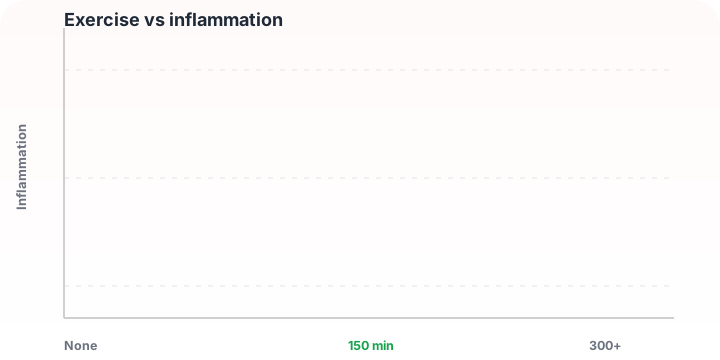
The Physical Activity Guidelines for Americans give a concrete adult target: 150 to 300 minutes of moderate-intensity aerobic activity each week, plus muscle-strengthening activity on 2 days. This is more useful than telling people to "exercise more."
Movement supports several systems tied to inflammatory load: glucose control, weight management, blood pressure, sleep quality, and chronic disease prevention. The reliable plan is not extreme intensity. It is repeated, measurable activity that the person can continue.
If you are inactive, start below the target. Ten minutes of walking after meals, a short bike ride, water exercise, or two basic strength sessions can create the first behavioral anchor.
3. Make sleep the recovery baseline
CDC sleep guidance says adults ages 18 to 60 need 7 or more hours per night. Older adults generally need 7 to 9 hours or 7 to 8 hours depending on age. Sleep quality also matters: repeated waking, loud snoring, and daytime sleepiness can block progress even when time in bed looks adequate.
The practical sleep stack is simple: a consistent bedtime and wake time, a quiet and cool room, electronics off at least 30 minutes before bed, no large meals or alcohol close to bedtime, no afternoon or evening caffeine, regular exercise, and a healthy diet.
For inflammation-focused content, sleep should not be a throwaway tip at the end. Poor sleep can make food choices, stress control, and exercise consistency harder the next day.
4. Remove the strongest avoidable exposures
CDC states that quitting smoking reduces markers of inflammation and hypercoagulability, along with broad cardiovascular, respiratory, and cancer-related benefits. If a person smokes, this is a higher-priority inflammation action than buying an anti-inflammatory supplement.
CDC alcohol guidance is also direct: drinking less is better for health than drinking more. Alcohol can affect the liver, heart, digestion, immune system, mental health, sleep, and cancer risk. For people who drink heavily, alcohol reduction should be handled carefully because withdrawal can be dangerous.
Exposure reduction works because it removes repeated pressure. It is often less exciting than adding a new habit, but it can be more powerful.
5. Make stress management concrete
CDC notes that long-term stress can worsen health problems. The official coping advice is practical: sleep, move, eat healthy, limit alcohol, avoid tobacco, connect with others, and keep up with regular health appointments.
A strong stress section should avoid vague language. Give the reader a schedule: one 10-minute walk, one breathing session, one screen-free break, one meal prepared ahead, one call with someone supportive, or one appointment booked.
Stress management is not pretending life is calm. It is reducing the number of days where stress also triggers poor sleep, skipped movement, excess alcohol, or chaotic meals.
A realistic first-week plan
Day 1: choose the biggest driver you can safely change. For many people that is sleep timing, walking, alcohol frequency, tobacco support, or breakfast quality.
Days 2 to 4: repeat one small anchor. Walk 10 minutes after one meal, add one fruit or vegetable to two meals, or stop caffeine after lunch. The goal is not intensity; it is proof that the behavior can survive a normal week.
Days 5 to 7: add measurement. Track sleep duration, minutes moved, alcohol-free days, cigarettes avoided, or high-fiber meals. You cannot improve what stays invisible.
What not to do
Do not replace prescribed medication with diet, fasting, supplements, saunas, or exercise. Do not use this page to self-diagnose autoimmune disease, inflammatory bowel disease, cardiovascular disease, or chronic infection.
Do not chase a perfect anti-inflammatory diet while ignoring smoking, heavy alcohol use, severe sleep debt, or inactivity. The strongest plan handles the biggest repeated drivers first.
Do not make freshness claims by changing the article date without checking the sources. For health content, accuracy matters more than looking new.
When to get medical care
Use lifestyle changes as support, not as a replacement for evaluation. Get medical help for any of these signals:
- Chest pain, fainting, severe shortness of breath, or sudden weakness.
- Fever that persists, unexplained weight loss, night sweats, blood in stool, or severe abdominal pain.
- Rapid joint swelling, severe pain, new neurological symptoms, or symptoms that keep worsening.
- Alcohol dependence or heavy drinking where sudden stopping could cause withdrawal.
- Any diagnosed inflammatory disease where changing medication, diet, or activity needs clinician guidance.